Aug 17, 2026Buying Guides
The Ultimate Electric Scooter Factory Guide: Quality, Reliability, and Global Sourcing Introduction: Why Your Choice of Factory Matters
Electric scooter supplier, electric scooter factory, electric scooter maunfacture
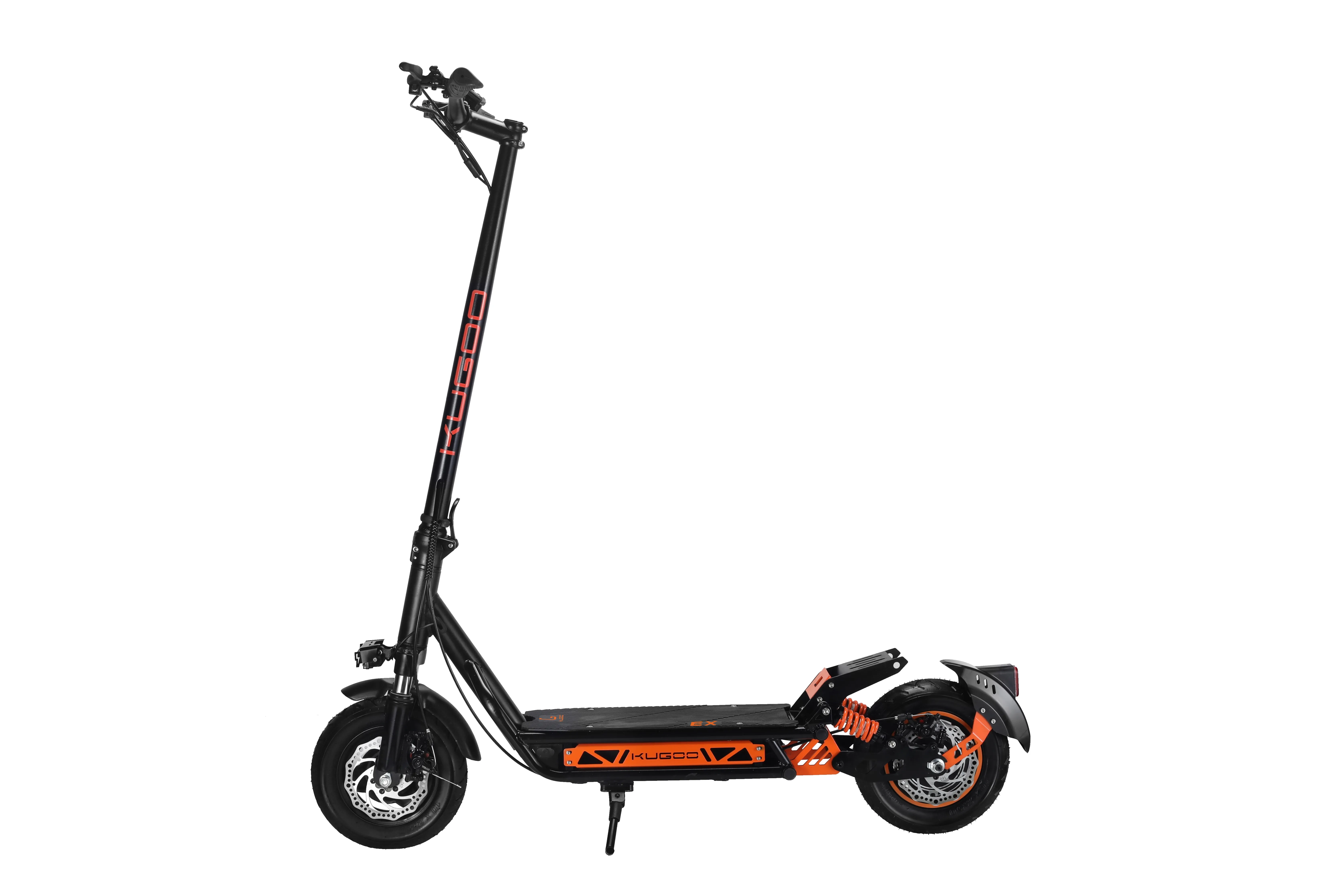
The Ultimate Electric Scooter Factory Guide: Quality, Reliability, and Global Sourcing Introduction: Why Your Choice of Factory Matters
The global electric scooter market is surging, with monthly search volumes reaching 1.8 million for key terms. As urban mobility shifts toward sustainable solutions, sourcing from a reliable electric scooter manufacturer has become critical for businesses seeking to meet growing consumer demand.
This guide explains how source factories deliver unparalleled value through integrated production, rigorous quality assurance, and dependable order management. Whether you are a distributor, retailer, or brand owner, understanding what distinguishes a premium electric scooter factory from the competition will protect your investment and ensure customer satisfaction.
The Source Factory Advantage: Vertical Integration and Production Capacity
What truly sets a top-tier electric scooter factory apart is vertical integration—the ability to control every stage of production under one roof. Leading manufacturing hubs in China’s industrial zones—including Zhejiang, Guangdong, and Hebei—house factories equipped with full-cycle capabilities, from frame extrusion and motor winding to battery pack assembly and final testing.
This integrated approach yields significant advantages:
Reduced Lead Times: Factories with internal component production can reduce procurement delays by up to 30%, ensuring your orders move efficiently through the production pipeline.
Scalable Output: Established manufacturers operate facilities spanning 10,000 to 30,000 square meters, with monthly production capacities ranging from 1,000 to over 10,000 units depending on model complexity and order volume.
In-House R&D: Premium suppliers maintain dedicated engineering teams capable of rapid prototyping and custom modifications, enabling OEM/ODM solutions that align with your brand specifications.
The ability to handle high-volume orders while maintaining flexibility for customization is the hallmark of a mature manufacturing operation. Factories like Zhejiang Luqi Intelligent Technology, established in 2013, exemplify this model, exporting to over 160 countries with products bearing CE, RoHS, EEC, and COC certifications.
Quality Assurance Systems: The Foundation of Reliability
Quality control is not a single inspection at the end of the production line—it is a systematic process woven throughout the entire manufacturing cycle. At source factories, quality assurance begins before assembly even starts.
Multi-Stage Inspection Protocol
A comprehensive quality control framework typically includes:
Stage 1: Incoming Component Inspection – All critical parts—frames, motors, battery packs, controllers—are verified against tolerance and visual standards before entering the production line. Defective components are rejected immediately.
Stage 2: In-Process Assembly Checks – During assembly, technicians verify torque specifications on structural fasteners, cable routing to prevent damage, correct alignment of folding mechanisms, and proper installation of brakes and suspension components.
Stage 3: Functional Testing – Every completed scooter undergoes power-on testing, throttle response verification, brake engagement checks, lighting and signal validation, and folding mechanism operation testing.
Stage 4: Final Inspection and Road Testing – Before packaging, each unit receives a cosmetic, functional, and safety inspection lasting 8–10 minutes. Any defects identified are recorded, addressed, and re-checked. Leading manufacturers also perform actual road tests on every scooter before it leaves the factory.
Certification and Compliance
Reputable source factories maintain ISO 9001 certification as a baseline and ensure products meet international standards including UL2272, CE, FCC, RoHS, and UN38.3 for battery safety. This compliance is non-negotiable for import into regulated markets like North America and Europe.
Some manufacturers, like Shenzhen Grenergy Technology, go further by carrying $3 million USD product liability insurance and belonging to industry associations that enforce safety and quality standards.
Order Management: From Purchase Order to Shipping
A factory’s reliability is measured not only by product quality but also by its ability to execute orders predictably. Professional electric scooter factories implement structured order workflows that minimize delays and miscommunication.
Streamlined Procurement Process
A well-organized factory guides clients through a clear sequence:
- Specification Definition – Finalize motor power, battery capacity, frame geometry, and smart features.
- Design Review & Prototyping – CAD modeling and physical sample production (typically 7–15 days) for approval before mass production.
- Production Scheduling – Lead times generally range from 25 to 45 days after design confirmation, with peak season extending to one month.
- Pre-Shipment Inspection – Third-party agencies like SGS or TÜV can verify quality before container loading.
- Secure Payment and Logistics – Trade Assurance or escrow protects both parties; UN38.3-certified lithium batteries require proper hazardous goods labeling for shipping.
On-Time Delivery Performance
The most reliable factories maintain on-time delivery rates above 90%, with top performers achieving 100%. Response times under 3 hours correlate with efficient internal coordination and project agility—a strong indicator of a factory’s commitment to client service.
Customization Capabilities: Tailoring Products to Your Market
Source factories distinguish themselves through the depth of customization they offer. Beyond cosmetic branding, premium manufacturers can modify core technical specifications:
Customization Area Available Options
Powertrain 350W–2000W motors, 36V–48V systems, single/dual motor configurations
Battery 7.8Ah–15Ah capacity, removable designs, varied charging times
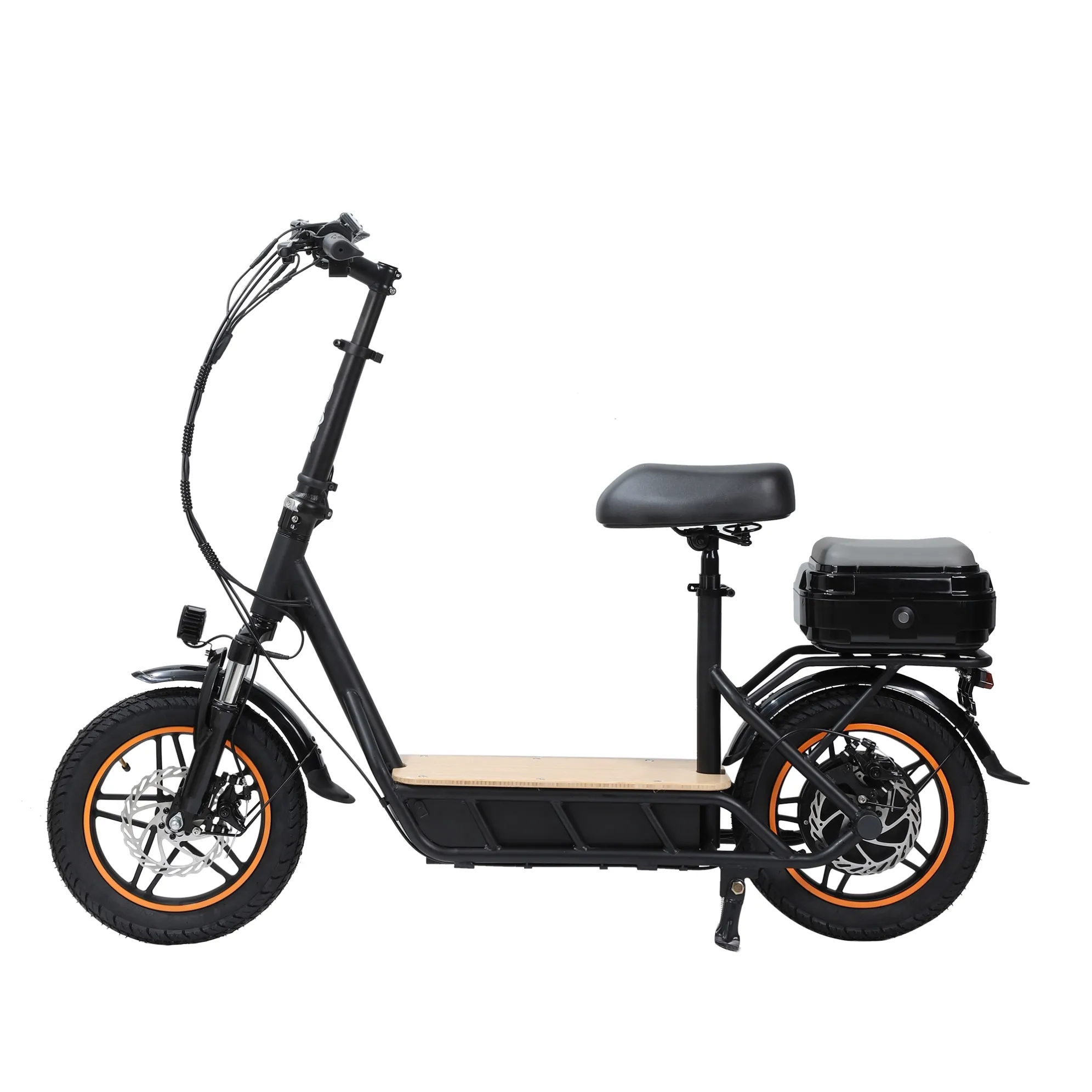
Frame & Ergonomics Fold mechanisms, seat integration, max load up to 120kg
Smart Features App connectivity, GPS tracking, smart locks, digital displays
Safety Systems Disc/drum/regenerative braking, suspension tuning, lighting
Suppliers offering CAD-based design reviews and physical prototype production demonstrate higher engineering maturity, enabling brands to differentiate themselves in competitive markets.
Frequently Asked Questions
What certifications should a reputable electric scooter factory hold?
A professional factory should maintain ISO 9001 quality management certification and produce scooters that comply with CE, FCC, RoHS, and UL2272 standards. For battery shipping, UN38.3 certification is mandatory. Some markets also require specific country-level approvals like EEC or COC.
How long does it take to produce an order?
Typical lead times range from 25 to 45 days after design confirmation, depending on order size and customization complexity. During off-peak seasons, some factories can deliver within 15 working days.
Can the factory customize scooters for my brand?
Yes, leading manufacturers offer OEM and ODM services, supporting cosmetic branding, hardware modifications, and even firmware adjustments. Technical capabilities include CAD-based design review, tooling modification, and physical prototyping.
What quality control measures should I expect?
Expect multi-stage inspection: incoming component checks, in-process assembly verification, functional testing of every completed unit, and a final cosmetic/safety inspection. Some factories also perform road testing on each scooter before shipment.
How do I verify a factory’s reliability?
Request factory audit reports, video walkthroughs, or third-party inspection results. Evaluate on-time delivery rates (above 90% is excellent) and communication responsiveness (under 3 hours is ideal). Requesting product samples before committing to mass production is always recommended.
Conclusion: Partnering for Success
Choosing the right electric scooter factory is a strategic decision that impacts your brand’s reputation, customer satisfaction, and long-term profitability. Source factories that combine vertical integration, rigorous quality control systems, proven order management, and flexible customization capabilities provide the foundation for sustainable business growth.
When evaluating potential partners, prioritize technical compliance, operational transparency, and demonstrated commitment to quality. The most reliable manufacturers treat quality as a shared responsibility—between factory and client, ensuring that every scooter delivered meets the highest standards of safety and performance.